





Microneedling Benefits, Results & Treatment Options: Which Is Right for Your Skin?
Fine lines. Acne scars. Uneven texture. Enlarged pores. Skin that simply doesn’t feel as firm or smooth as it once did.
While these concerns may seem unrelated, they share something in common: microneedling can improve the appearance of many of them by stimulating the skin’s natural renewal process.
Also known as collagen induction therapy, microneedling has become one of the most popular minimally invasive skin-rejuvenation treatments for good reason. It can improve skin texture and the appearance of certain scars and wrinkles without surgery or the extended recovery associated with more aggressive resurfacing procedures.
But microneedling isn’t necessarily one-size-fits-all.
Today’s treatments can be tailored around different skin concerns, treatment areas, and goals. At Lébo Aesthetics & Spa, microneedling can also be paired with Ariessence Pure PDGF+®, a topical treatment containing platelet-derived growth factor (PDGF) and hyaluronic acid.
And microneedling isn’t limited to the face. Depending on the treatment and patient, it may be considered for areas such as the neck and décolletage, or as an add-on for scalp and hair-restoration treatments.
So, what exactly does microneedling do? How many treatments do you need? Does it hurt? How long is the downtime? And does adding PDGF make sense for your skin?
Let’s break it down.
What Is Microneedling and How Does It Work?
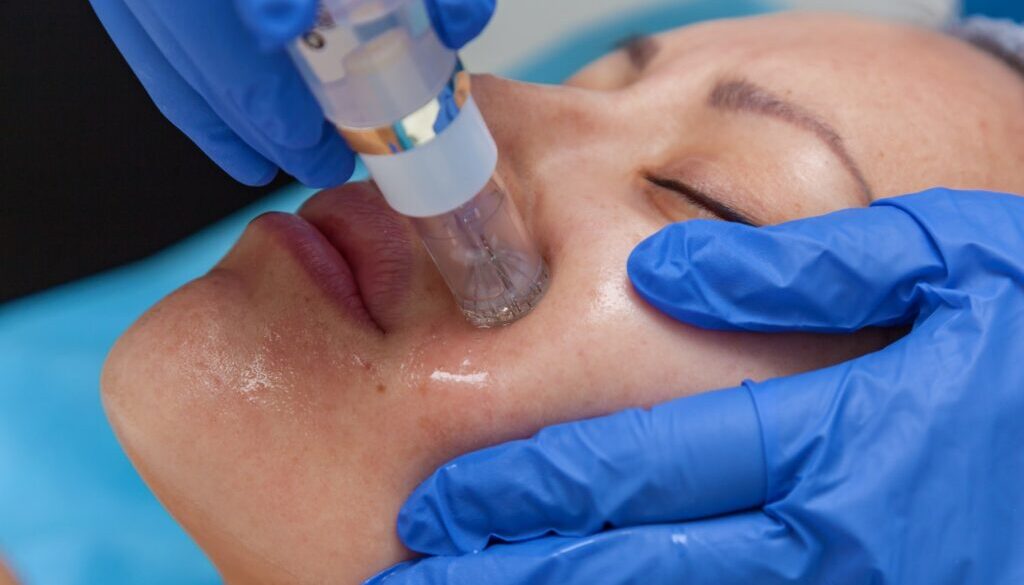
Microneedling uses a device containing very small needles that repeatedly enter and exit the skin, creating controlled microscopic channels.
While intentionally creating tiny punctures may sound counterintuitive, those controlled micro-injuries trigger the skin’s natural wound-healing response.
That response includes the production and remodeling of collagen, one of the proteins responsible for giving skin its structure and support.
This is why microneedling is often called collagen induction therapy.
As the skin repairs itself and new collagen develops, patients experience gradual improvements in skin texture, firmness, and the appearance of certain scars and wrinkles.
Unlike treatments designed primarily to provide an immediate surface glow, microneedling results continue to develop after the appointment as the skin remodels.
What Are the Benefits of Microneedling?
One reason microneedling has remained so popular is its versatility.
Depending on the individual, treatment area, device, and goals, professional microneedling may be used to improve the appearance of:
- Acne scars
- Fine lines and wrinkles
- Uneven skin texture
- Enlarged-looking pores
- Certain areas of uneven skin tone
- Facial scars
- Skin firmness and overall skin quality
- Stretch marks and certain body scars
Not every microneedling device is authorized for every concern or body area, which is one reason professional evaluation and proper device selection matter.
Which Microneedling Treatment Is Right for You?
The answer depends much more on your skin concern than on simply deciding that you “want microneedling.”
Here’s a quick look at some of the ways a treatment plan may differ:
Your Concern or Goal | Microneedling Approach to Discuss | What You’re Trying to Improve |
Acne scars | Professional microneedling series | Appearance of depressed scars and uneven texture |
Fine lines & aging skin | Collagen-induction microneedling | Fine lines, texture and overall skin quality |
Enhanced post-treatment rejuvenation | Microneedling + topical Ariessence Pure PDGF+ | Support the post-procedure skin-rejuvenation process |
Neck & décolletage concerns | Customized treatment of appropriate areas | Texture, fine lines and signs of aging |
Enlarged-looking pores & rough texture | Customized microneedling series | Smoother, more refined-looking skin |
Hair thinning | Scalp/hair-restoration consultation | Determine whether microneedling belongs in a broader hair-restoration plan |
The important takeaway is that the same treatment plan isn’t appropriate for every patient or every concern.
Microneedling With PDGF: What Is Ariessence Pure PDGF+?
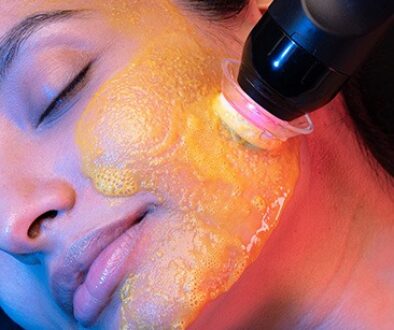
One of the most advanced ways to enhance the microneedling experience at Lébo Aesthetics & Spa is with Ariessence Pure PDGF+®.
PDGF stands for platelet-derived growth factor, a naturally occurring signaling protein involved in the body’s repair processes.
Ariessence pure PDGF+® is a topical treatment used during aesthetic procedures, including microneedling, to support the skin’s natural rejuvenation process. It combines hyaluronic acid with a purified, lab-produced form of PDGF, a growth factor naturally found in the body that plays an important role in skin repair and renewal.
Why pair the two?
Microneedling initiates a controlled skin-renewal response. Ariessence is then used as a topical enhancement to support the rejuvenation process and the appearance of healthier-looking skin.
The benefits of combining the two include improved tone and texture, glowing skin, and faster post-procedure recovery.
For patients who want to take their microneedling treatment beyond the basic procedure, microneedling with PDGF has become an increasingly popular option.
Is PDGF the Same as PRP?
No, and this is worth explaining because the terminology can become confusing.
PRP, or platelet-rich plasma, is created from your own blood. A small amount of blood is drawn and processed to separate and concentrate the platelets, which naturally contain growth factors involved in healing and tissue repair.
Ariessence pure PDGF+® works differently and doesn’t require a blood draw. Instead of collecting growth factors from your own blood, Ariessence contains a lab-produced version of PDGF, a growth factor naturally found in the human body that plays a role in the body’s repair and regeneration processes.
So, in simple terms:
PRP uses growth factors obtained from your own blood. Ariessence provides a lab-produced version of a specific growth factor, without the blood draw or processing step.
Both fall under regenerative aesthetics, but they are not the same treatment.
If you’ve previously heard of a “vampire facial” or microneedling with PRP, don’t assume microneedling with Ariessence is simply another name for the same procedure. It isn’t.
Microneedling for Acne Scars: Does It Really Work?
Treating acne scars is one of the most established uses of professional microneedling.
When acne heals, the skin may not produce or organize collagen normally. This can leave behind depressed or uneven scars.
Microneedling creates controlled micro-injuries that stimulate a wound-healing response and collagen remodeling. As that process occurs, certain acne scars gradually become less noticeable, and skin texture can appear smoother.
Microneedling tends to be particularly relevant to atrophic, or depressed, acne scars rather than every possible type of acne scarring.
And patience matters.
Acne scars usually aren’t erased in one appointment. A series of treatments may be recommended, with results continuing to develop as collagen remodels over the following months.
How Many Microneedling Treatments Do You Need for Acne Scars?
There’s no universal number.
The American Academy of Dermatology notes that acne-scar treatment may involve approximately three to five microneedling sessions, often spaced several weeks apart.
Your actual treatment plan depends on:
- Type of acne scarring
- Depth and severity of scars
- Skin type
- Treatment response
- Other procedures being performed
- Desired outcome
This is another reason a free skin consultation is more valuable than purchasing an arbitrary “package” based solely on a number of sessions.
Can You Microneedle Active Acne?
This is an important distinction.
Treating acne scars is not the same as treating active inflammatory acne.
Microneedling may not be appropriate over active infections, inflamed lesions, or certain active skin conditions.
If you’re experiencing ongoing breakouts, your skin care provider may recommend getting the acne under better control before beginning a scar-focused microneedling plan.
Otherwise, you’re trying to correct old scars while new ones may still be forming.
Microneedling for Fine Lines, Wrinkles & Skin Rejuvenation
You don’t need acne scars to benefit from microneedling.
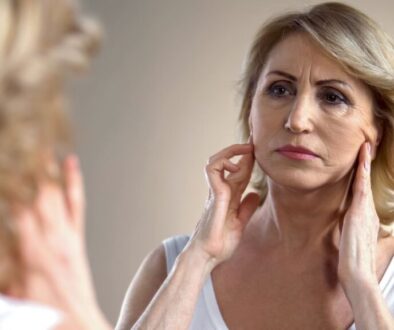
As we age, collagen production declines. Over time, this contributes to:
- Fine lines
- Wrinkles
- Changes in texture
- Reduced firmness
- Less resilient-looking skin
Because microneedling stimulates a natural repair response and collagen production, it can be used as part of an overall skin-rejuvenation strategy.
Rather than adding volume like a dermal filler or relaxing facial muscles like Botox® or Dysport®, microneedling focuses on skin quality.
If your biggest concern is a deep volume deficit, microneedling may not be the answer. If you’re concerned about fine lines, texture, acne scars, or overall skin quality, it may make much more sense.
Does Microneedling Help With Enlarged Pores?
Microneedling can’t literally change the permanent anatomical size of a pore. However, improving the skin surrounding pores can make them appear less noticeable.
As skin texture and collagen support improve, the surface may look smoother and more refined.
That’s why “enlarged-looking pores” is a more accurate way to describe this concern than promising that microneedling will permanently “shrink” pores.
Does Microneedling Tighten Skin?
Microneedling may improve the appearance of firmness as collagen remodels, but it shouldn’t be confused with a dedicated skin-tightening procedure.
If your primary concern is significant skin laxity, jowls, or loose neck skin, another treatment may be more appropriate.
At Lébo Aesthetics & Spa, that may mean discussing a collagen-stimulating or skin-tightening treatment such as Sofwave®, depending on your individual needs.
Sometimes the best plan combines treatments rather than expecting microneedling to solve every sign of aging.
Microneedling for the Neck & Décolletage
The face isn’t the only area where signs of aging become visible.
The neck and décolletage are frequently exposed to sunlight but often receive far less attention in our daily skin care routines.
Over time, these areas may develop:
- Fine lines
- Uneven texture
- Crepey-looking skin
- Sun-related changes
- Reduced firmness
Depending on the device, treatment area, and patient, your skin care provider can discuss whether microneedling is appropriate beyond the face.
This can be particularly useful for patients who have carefully rejuvenated their face but feel that their neck or chest tells a different story.
Microneedling for Hair Growth: Can It Help Thinning Hair?
Search for microneedling online, and you’ll quickly find another increasingly popular question:
Can microneedling help with hair loss?
Scalp microneedling combined with hair-restoration strategies are producing great results.
Hair thinning can have many causes, including:
- Genetics
- Hormonal changes
- Stress
- Nutritional issues
- Medical conditions
- Medications
- Certain scalp conditions
Because hair thinning can have many causes, a professional assessment can help determine the likely cause and whether scalp microneedling or another hair-restoration approach is appropriate.
Professional Microneedling vs. At-Home Dermarolling
Another highly searched question is whether you can simply microneedle at home.
At-home rollers and stamps are not equivalent to professional medical microneedling.
Professional treatments offer important advantages, including:
- Controlled treatment depth
- Appropriate device selection
- Sterile, single-use needle cartridges
- Professional skin assessment
- Treatment protocols based on the concern
- Proper pre- and post-treatment instructions
- Management of potential complications
Microneedling creates actual channels in the skin. That makes hygiene, technique, device quality, and patient selection important. This isn’t a treatment where “deeper” automatically means “better.”
Does Microneedling Hurt?
Most patients tolerate professional microneedling well, although the sensation varies depending on treatment depth, location, and individual sensitivity.
A topical numbing agent may be used before treatment to improve comfort.
Patients often describe the sensation as pressure, vibration, or scratching rather than significant pain. Some areas of the face may naturally feel more sensitive than others.
What Is Microneedling Downtime Like?
Microneedling is minimally invasive, but no downtime isn’t quite accurate.
Immediately after treatment, your skin may look red or feel warm and tight, similar to a mild sunburn.
Temporary effects can include:
- Redness
- Dryness
- Tightness
- Mild swelling
- Sensitivity
- Peeling or flaking
- Minor pinpoint bleeding or bruising, depending on treatment
For many patients, the most noticeable redness improves over the first few days, although everyone’s recovery is different.
Your provider will give you specific aftercare instructions based on your treatment.
When Can You Wear Makeup After Microneedling?
Don’t rush to cover post-treatment redness.
Your skin has just undergone a controlled procedure, and proper aftercare matters.
After microneedling, wait at least 24 hours before applying makeup. Your Lébo Aesthetics & Spa provider may give you more specific instructions depending on your treatment and how your skin responds.
Follow those instructions instead of your normal skin care routine immediately after treatment.
What Should You Avoid After Microneedling?
Your provider will give you individualized aftercare instructions, but freshly treated skin generally requires a gentler approach.
That may mean temporarily avoiding:
- Retinoids
- Exfoliating acids
- Scrubs
- Other potentially irritating active ingredients
- Excessive heat
- Intense exercise for the period recommended by your provider
- Unprotected sun exposure
Sun protection becomes especially important when the skin is recovering.
Don’t assume that because a product is part of your normal medical-grade skin care routine, you can immediately apply it to freshly microneedled skin.
How Long Does It Take to See Microneedling Results?
Microneedling isn’t an instant-gratification treatment.
You may notice changes in how your skin looks or feels relatively soon after the initial recovery period, but collagen remodeling takes time.
Improvements may begin appearing within several weeks, with more complete results developing over the following months.
This is especially important when treating acne scars or signs of aging. You’re asking your skin to remodel itself—not simply applying something that creates a temporary cosmetic effect.
How Long Do Microneedling Results Last?
There isn’t a single expiration date.
Once collagen remodeling has occurred, the improvement doesn’t simply disappear on a specific day. But microneedling also doesn’t stop aging, sun exposure, or the natural decline of collagen.
Protecting your results with the following, can help support your skin over time.
- Daily sunscreen
- Appropriate medical-grade skincare
- Healthy lifestyle habits
- Recommended maintenance treatments
How Often Should You Get Microneedling?
Treatment frequency depends on what you’re treating and how aggressively your skin is being treated.
A patient addressing acne scars may need a different series than someone pursuing general skin rejuvenation.
Professional treatments are commonly spaced several weeks apart to allow the skin’s healing and remodeling process to occur.
More isn’t necessarily better. Your skin needs time to respond between sessions.
Can Microneedling Be Combined With Other Treatments?
Yes, but combination treatment should be strategic.
Depending on your concerns, microneedling may be incorporated into a broader treatment plan alongside options such as:
Ariessence pure PDGF+: For patients interested in an advanced topical enhancement.
Medical-grade skin care: To support skin quality, pigmentation, hydration, and long-term maintenance between treatments.
Sofwave®: When skin laxity and tightening are larger concerns than surface texture.
Injectables: When facial volume loss or dynamic wrinkles need to be addressed in addition to skin quality.
Other resurfacing or aesthetic procedures: When pigmentation, texture, scarring, or aging requires a multimodal approach.
Timing matters. Your provider should determine when treatments can safely be combined or how far apart they should be scheduled.
How Do I Know Which Microneedling Treatment Is Right for Me?
Start with the problem you’re actually trying to solve.
If your concern is acne scars, your provider may recommend a series focused on collagen remodeling and texture.
If your concern is fine lines and overall skin quality, treatment may focus on rejuvenation.
If you want to enhance your post-treatment experience, microneedling with Ariessence pure PDGF+ may be worth discussing.
If you’re concerned about your neck or décolletage, those areas should be evaluated individually.
And if your primary issue is significant skin laxity or volume loss, microneedling may not be the best first treatment at all.
That’s the value of customization and a free skin care consultation.
The question isn’t simply: “Should I get microneedling?”
It’s: “What is causing my concern, and which treatment, or combination of treatments, will address it most effectively?”
Microneedling in York & Hanover, PA
At Lébo Aesthetics & Spa, microneedling is available as part of our comprehensive approach to skin rejuvenation at our York and Hanover, Pennsylvania locations.
Our experienced team evaluates your skin, concerns, treatment history, and goals before recommending a plan. Depending on what you’re hoping to improve, that may include traditional microneedling, microneedling with Ariessence Pure PDGF+, medical-grade skin care, or another treatment altogether.
Because achieving healthier-looking skin isn’t about choosing the trendiest procedure.
It’s about choosing the right procedure for your skin.
Ready to find out which microneedling treatment is right for you? Schedule a free consultation with Lébo Aesthetics & Spa in York or Hanover, PA, and let us create a treatment plan around your skin and your goals.
Frequently Asked Questions About Microneedling
What does microneedling do?
Microneedling creates controlled microscopic channels in the skin that trigger a natural wound-healing response and collagen production. Depending on the device and treatment plan, it can improve the appearance of concerns such as acne scars, wrinkles, and uneven texture.
Is microneedling good for acne scars?
Yes. Facial acne scars are among the FDA-authorized indications for certain microneedling devices. A series of treatments is often needed, particularly for more noticeable depressed scars.
How many microneedling sessions do you need?
It depends on your concern and starting point. Acne-scar treatment, for example, may require approximately three to five sessions. Your provider can recommend a personalized series after evaluating your skin.
How long does microneedling take to work?
Results develop gradually because collagen remodeling takes time. Some improvement may become noticeable within several weeks, while more complete results can take several months.
Does microneedling hurt?
Most patients tolerate the procedure well, and topical numbing may be used. Sensation varies depending on the area treated, needle depth, and individual sensitivity.
How long is the downtime after microneedling?
Redness, tightness, dryness, sensitivity, and mild swelling can occur after treatment. These effects generally improve over several days, although recovery varies.
Can you wear makeup after microneedling?
It’s generally recommended to wait at least 24 hours, but always follow your provider’s specific post-treatment instructions.
Does microneedling shrink pores?
Microneedling doesn’t permanently change the anatomical size of pores, but improvements in skin texture and collagen support can make enlarged pores appear less noticeable.
What is microneedling with PDGF?
At Lébo, ariessence pure PDGF+ can be used as a topical enhancement during microneedling. PDGF is a signaling protein involved in natural repair processes, and Ariessence combines recombinant PDGF-BB with hyaluronic acid.
Is PDGF better than PRP with microneedling?
They’re different approaches rather than interchangeable products. PRP is prepared from a patient’s own blood, while Ariessence pure PDGF+ is a standardized topical formulation that does not require a blood draw. Which approach is appropriate should be discussed with your provider.
Can microneedling tighten loose skin?
Microneedling may improve the appearance of firmness through collagen remodeling, but significant skin laxity may require a dedicated skin-tightening treatment or another approach.
Is microneedling safe for darker skin tones?
Microneedling is often considered across a broad range of skin tones, but pigmentation changes are a possible complication and not every FDA-authorized device has been studied in every skin type. An experienced provider should assess your skin and risk factors before treatment.
What’s the difference between microneedling and RF microneedling?
Traditional microneedling uses needles to create controlled microchannels. RF microneedling also delivers radiofrequency energy beneath the skin. They are different procedures with different risks and should not be treated as interchangeable.
How often should you get microneedling?
Frequency depends on your treatment goal, depth, skin response, and overall plan. Sessions are commonly spaced several weeks apart to allow healing and collagen remodeling to occur.