





You Don’t Need Everything: How to Choose the Right Aesthetic Treatments for You
Botox. Dysport. Dermal fillers. Sculptra. Microneedling. Lasers. Skin-tightening treatments. Medical-grade skin care.
With so many options available, and new treatments constantly appearing on social media, figuring out what your skin actually needs can feel overwhelming.
Maybe you’ve seen someone’s incredible before-and-after photos and wondered whether you should try the same treatment. Maybe you’ve started noticing changes in your skin but aren’t sure what would help. Or perhaps you’ve tried several treatments and still feel like you’re searching for the right approach.
Here’s something we believe at Lébo Aesthetics & Spa: You don’t need every treatment. You need the right treatment(s) for you.
Choosing the right aesthetic treatments isn’t about doing the most. It’s about understanding your skin, identifying what matters to you, and creating a realistic plan that supports your goals over time.
That’s where a thoughtful consultation and an expert skin care provider who gets to know you can make all the difference.
What Aesthetic Treatments Do I Really Need?
The answer might surprise you: You may need fewer treatments than you think.
The best starting point isn’t a list of procedures. It’s a conversation about your concerns.
Are you noticing fine lines when you smile? Are you frustrated by uneven skin texture? Does your skin feel dry or look dull? Are you concerned about sagging skin, facial volume loss, or pigmentation?
Those concerns may require very different approaches.
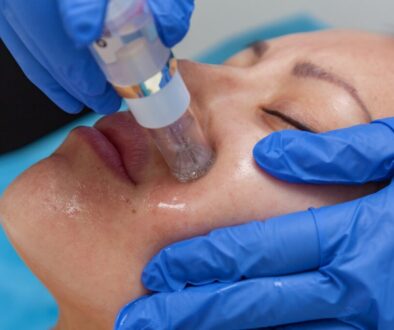
For example, Botox or Dysport may be appropriate for certain expression lines, while microneedling may be a better fit for improving the appearance of acne scars and uneven texture. Someone experiencing facial volume loss might benefit from a different treatment altogether.
A good treatment plan starts with what you want to improve, not what happens to be available or on special.
Why a Med Spa Consultation Matters More Than Following a Trend
It’s easy to shop for aesthetic treatments the way we shop for other products.
You see something online. You read reviews. You compare prices. You find a special. You book an appointment. But aesthetic treatments aren’t interchangeable products.
Two people of the same age may have completely different skin concerns. One may be dealing with sun damage, another with facial volume loss, and another with sensitive skin that needs a gentler approach.
Even when two people have similar concerns, the best treatment may differ based on their medical history, skin type, previous procedures, lifestyle, and expectations.
That’s why a professional consultation should involve more than asking which treatment you want to book.
At Lébo Aesthetics & Spa, we believe the conversation should begin with understanding why you’re interested in treatment, what you’re hoping to accomplish, and whether the procedure you’re considering actually addresses that concern.
Sometimes the answer will be yes. Other times, there’s a better option. And occasionally, the best decision is to hold off.
When Should You Wait Before Getting an Aesthetic Treatment?
There are several reasons a qualified provider may recommend delaying or avoiding a procedure, even when that treatment is available.
Your Skin Needs Attention Before Treatment: If your skin is irritated, inflamed, unusually sensitive, or experiencing an active breakout or infection, certain aesthetic procedures may not be appropriate.
For example, someone interested in microneedling for acne scars may first need to address active inflammatory acne.
Likewise, someone with a compromised skin barrier may benefit from simplifying their skin care routine before considering exfoliating or resurfacing treatments.
Healthy skin is the foundation of a good treatment plan. Sometimes the most valuable first step is giving your skin time to recover.
You’re Considering a Treatment That Doesn’t Address Your Concern: Not every wrinkle needs Botox. Not every sign of aging requires filler. And not every texture concern calls for a laser. Different treatments work in different ways.
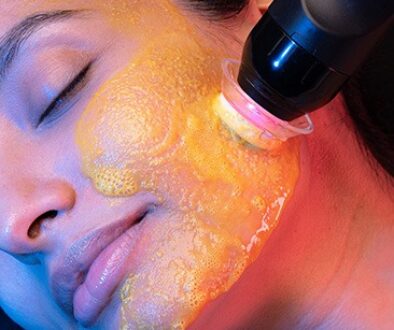
Botox and Dysport temporarily reduce activity in targeted facial muscles. Dermal fillers restore volume in selected areas. Microneedling encourages collagen remodeling. Certain ultrasound-based treatments address skin laxity.
If the treatment doesn’t address what’s actually causing your concern, it may not deliver the result you’re hoping for. That’s why identifying the underlying issue matters more than choosing a popular procedure.
You’ve Recently Had Another Treatment: Some aesthetic procedures require time for swelling to resolve, results to develop, or the skin to heal. Adding another treatment too quickly may make it harder to evaluate your results or may increase the risk of unwanted effects.
For example, collagen-stimulating treatments often produce gradual changes over weeks or months. In those situations, patience isn’t wasted time. It’s part of the process.
Your Expectations Don’t Match What the Treatment Can Do: A treatment may improve a concern without eliminating it completely.
Microneedling may soften the appearance of certain acne scars, but it doesn’t guarantee scar-free skin. Botox can improve expression lines, but it doesn’t restore lost facial volume. Skin-tightening procedures may provide improvement without producing surgical results.
A responsible provider should explain what a treatment can and cannot accomplish before you commit.
If your expectations and the likely results don’t align, it may be better to reconsider the plan.
The Timing Isn’t Right for Your Life or Budget: Aesthetic treatments are elective. They should fit comfortably into your life, not create unnecessary financial pressure or stress.
If you’re preparing for a major event, managing a busy schedule, or simply aren’t ready to commit to a treatment series, waiting may be the right choice.
A plan that works for your skin but not your lifestyle isn’t much of a plan.
More Aesthetic Treatments Don’t Always Mean Better Results
Many people mistakenly believe the best aesthetic results come from combining as many treatments as possible. But more isn’t automatically better.
Consider someone concerned about looking tired.
They may assume they need Botox, filler, skin tightening, and an advanced facial. But after evaluating their concerns, a provider may determine that one targeted treatment, or even a change in skin care, makes the most sense.
Adding treatments without a clear purpose can increase cost, recovery demands, and the possibility of unwanted results.
The goal shouldn’t be to change everything. It should be to address what matters while preserving what already looks like you. That means recognizing when a treatment has accomplished enough.
It also means being comfortable saying, “We don’t need to do anything else right now.”
How Do You Avoid Looking Overdone With Botox and Fillers?
For many patients, this is one of their biggest concerns. They want to look refreshed, but they don’t want friends, family, or coworkers immediately noticing that they’ve had something done.
Natural-looking aesthetic results depend on more than the product selected.
Your facial anatomy, proportions, muscle movement, treatment history, and the amount and placement of a product all influence the outcome.
A thoughtful approach may involve:
- Starting conservatively when appropriate
- Preserving natural facial expressions
- Evaluating the entire face rather than isolated lines
- Allowing results to settle before considering additional treatment
- Recognizing when adding more product may not improve the outcome
It’s also important to understand that natural-looking doesn’t mean every wrinkle disappears or every feature becomes perfectly symmetrical.
Faces move. Skin changes. Individual features give us character. The purpose of aesthetic care shouldn’t be to erase those things.
Why Your Skin Care Routine May Matter More Than Another Procedure
Sometimes patients are surprised to learn that the next step isn’t an injectable or an advanced treatment. It’s their daily skin care routine.
Professional treatments can address specific concerns, but what you do between appointments matters, too.
Consistent sunscreen use, appropriate cleansing, moisturization, and carefully selected active ingredients can support skin health and help maintain results.
For example, someone concerned about sun damage may benefit from establishing a consistent sunscreen routine before investing in additional pigmentation treatments.
Someone experiencing dryness and irritation may need fewer active products, not more.
And someone using multiple exfoliants or retinoids may benefit from simplifying their routine rather than adding another aggressive procedure.
Professional treatments and daily skin care should work together, not compete with each other.
At Lébo Aesthetics & Spa, medical-grade skin care may be part of a personalized plan, but that doesn’t mean everyone needs an extensive collection of products.
A routine you can maintain consistently is often more useful than one that’s too complicated to follow.
Are Expensive Aesthetic Treatments Always Better?
No. A higher price doesn’t automatically mean a treatment is more appropriate or will produce better results for your particular concern.
Some patients may benefit from advanced technology or a series of procedures. Others may achieve their goals with a simpler approach.
The important questions are whether the treatment is appropriate, what results you can reasonably expect, how long those results may last, and what the full cost involves.
For example, a treatment that requires several sessions should be evaluated based on the entire recommended series, not just the price of one appointment.
Maintenance matters, too. A treatment may fit your budget today but require follow-up appointments that aren’t practical long-term.
A good aesthetic plan should be effective, realistic, and financially sustainable.
You should feel comfortable discussing your budget with your provider. That conversation can help prioritize your concerns and determine which treatments, if any, make sense now versus later.
How Do You Prioritize Aesthetic Treatments When You’re on a Budget?
Start with the concern that matters most to you. Rather than trying to address five things at once, identify one or two priorities.
Maybe your biggest concern is persistent acne scarring. Maybe it’s forehead lines. Maybe you simply want healthier-looking skin.
From there, ask your provider to explain which treatment is most likely to address that concern and what other options are available.
Here’s an example of how a personalized plan might look:
Your Primary Concern | A Treatment Worth Discussing | When Another Approach May Make More Sense |
Forehead lines or frown lines | Botox or Dysport | When lines are primarily caused by skin texture or volume loss |
Acne scars or uneven texture | Microneedling | When active acne needs to be addressed first |
Facial volume loss | Dermal fillers or Sculptra | When volume loss isn’t the main concern |
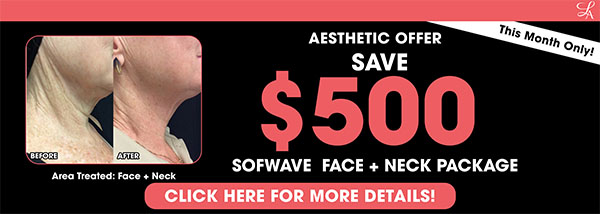
Mild to moderate skin laxity | Sofwave, for appropriate candidates | When expectations exceed what nonsurgical tightening can achieve |
Dry, dull skin | Customized facial and skin care | When irritation or an underlying skin condition needs attention |
Sun damage or uneven pigmentation | Appropriate skin care or pigmentation-focused treatments | When the type of pigmentation requires further evaluation |
Are Trending Med Spa Treatments Worth It?
They can be, but popularity shouldn’t determine whether a treatment is right for you.
Social media has made aesthetic treatments more visible than ever. Patients can watch procedures, see dramatic before-and-after transformations, and learn about new technologies almost instantly.
That accessibility can be helpful. But a viral treatment isn’t necessarily the right treatment for your skin.
Before booking something you’ve seen online, ask:
- What concern is this treatment designed to address?
- Is it appropriate for my skin type and medical history?
- What evidence supports its effectiveness?
- What are the risks and recovery requirements?
- How many treatments will I need?
- What results can I realistically expect?
It’s also worth remembering that social media results may be affected by lighting, camera angles, makeup, filters, or the timing of the photos.
A treatment should earn a place in your plan because it makes sense for you, not because it’s trending.
Why Seeing the Same Aesthetic Provider Over Time Can Make a Difference
One of the biggest advantages of developing a long-term relationship with an aesthetic provider is continuity.
When your provider knows your skin and treatment history, each appointment can build on what has already been learned.
They can evaluate how you’ve responded to previous treatments, understand which results you’ve liked, and recognize when your priorities have changed.
For example, perhaps you originally visited for Botox but later became more concerned about skin texture. Or maybe you’ve been receiving facials regularly and now want to discuss whether a more targeted treatment would be worthwhile.
A provider familiar with your history can help put those decisions into context.
That doesn’t mean you should never seek another opinion. In fact, a trustworthy provider should welcome thoughtful questions and support your right to explore your options.
But there’s value in having someone who understands your goals beyond a single appointment.
The relationship should be about managing your skin over time, not continually finding something new to sell you.
What Should You Expect During a Med Spa Consultation?
A good aesthetic consultation should feel like a conversation, not a sales presentation.
You should have an opportunity to explain your concerns, ask questions, and discuss what you’re comfortable with.
Your provider should also review relevant medical history, medications, allergies, previous treatments, and other factors that may affect your candidacy.
Depending on your goals, the conversation may include:
- What you’re hoping to improve
- Your skin type and current skin health
- Treatments you’ve tried before
- Your preferred level of change
- Potential risks and downtime
- Realistic results and limitations
- Treatment costs and maintenance
- Alternatives, including doing nothing right now
You should understand why a treatment is being recommended before agreeing to it.
And you should never feel that you have to make a decision on the spot.
How Can You Tell Whether a Med Spa Is Recommending the Right Treatments?
Pay attention to how your provider approaches the consultation. Do they ask questions before recommending procedures? Do they explain the difference between available options? Are they willing to discuss risks, limitations, and alternatives? Can they tell you why a particular treatment may not be appropriate?
Those are important signs of an individualized approach.
Be cautious if you feel pressured to purchase multiple treatments immediately, receive promises of guaranteed results, or aren’t given clear information about who will perform your procedure.
A qualified provider should be transparent about credentials, experience, and the risks associated with the treatments they offer.
The American Academy of Dermatology and the American Society for Dermatologic Surgery both emphasize the importance of informed consultations, realistic expectations, and understanding treatment risks before proceeding with cosmetic procedures.
Ultimately, you should leave your consultation feeling informed and comfortable, not overwhelmed by everything you were told you need.
Can You Maintain Natural-Looking Results Without Constant Treatments?
Yes, but the right maintenance schedule depends on the treatments you choose and how you respond.
Some procedures produce temporary results and require repeat visits to maintain their effects. Others involve gradual changes that develop over time.
But maintenance doesn’t mean continually adding more treatments. For many patients, a long-term approach may involve consistent skin care, periodic reassessment, and targeted procedures when there’s a clear reason to recommend them.
Your goals may also change.
What mattered to you at 35 may not be what matters at 45 or 55. Your lifestyle, budget, and comfort level may change as well.
A good plan should be flexible enough to change with you. And if you decide to take a break from aesthetic treatments altogether, that should be a decision you can make without pressure.
Why We Believe Less Can Be More at Lébo Aesthetics & Spa
At Lébo Aesthetics & Spa, we offer a wide range of treatments, including Botox, Dysport, dermal fillers, Sculptra, microneedling, Sofwave, customized facials, and medical-grade skin care.
But offering a treatment doesn’t mean everyone needs it.
Our philosophy is simple: We want to help you make informed decisions about your skin, even when that means recommending less.
That may mean focusing on skin care before considering a procedure. It may mean choosing one targeted treatment instead of several. Or it may mean waiting until the timing is better.
We believe aesthetic care should be personal, thoughtful, and built around realistic goals. Because the best results aren’t necessarily the ones that require the most appointments or the longest list of procedures. They’re the ones that make sense for you.
A Better Approach to Aesthetic Care in York & Hanover, PA
You don’t need to keep up with every new treatment, follow every skin care trend, or change everything about your appearance. And you certainly shouldn’t feel pressured to.
At Lébo Aesthetics & Spa in York and Hanover, Pennsylvania, we believe the best place to start is with a conversation about your skin, your goals, and what makes sense for your life.
Ready for an approach that’s built around you? Schedule a free consultation at Lébo Aesthetics & Spa and let’s talk about what your skin actually needs.
Frequently Asked Questions About Choosing Aesthetic Treatments
How do I know which aesthetic treatment is right for me?
Start by identifying your primary concern, such as wrinkles, acne scars, pigmentation, volume loss, or skin laxity. A qualified provider can evaluate your skin, medical history, goals, and budget to recommend appropriate options—or explain why treatment may not be necessary.
What should I get done at a med spa for the first time?
You don’t need to begin with a procedure. A consultation can help you understand your skin and decide whether skin care, a facial, an injectable, or another treatment is appropriate. There’s no universal first treatment.
Do I need Botox, filler, and skin tightening?
Not necessarily. These treatments address different concerns. Botox targets certain expression lines, fillers address selected volume concerns, and skin-tightening procedures may help appropriate patients with laxity. You may benefit from one, a combination, or none.
Can you get too many aesthetic treatments?
Yes. Unnecessary or excessive treatment can increase cost, recovery demands, and the risk of unwanted results. The appropriate amount depends on your anatomy, treatment history, goals, and the specific procedure.
Is it better to start with skin care or cosmetic procedures?
It depends on your concerns. Consistent skin care, especially sun protection, is an important foundation for skin health. Some concerns respond well to skin care, while others may benefit from professional procedures. A consultation can help prioritize your options.
How do I avoid looking overdone with injectables?
Choose a qualified, experienced injector who evaluates your facial anatomy, discusses your desired level of correction, and uses an individualized treatment plan. Conservative treatment and appropriate follow-up may help preserve natural-looking results.
How often should I visit a med spa?
There’s no single schedule for everyone. Some patients visit regularly for skin care maintenance, while others schedule treatments only when needed. Frequency should reflect your skin concerns, treatment type, response, budget, and preferences.
Should I get a treatment just because it’s popular on social media?
Not without understanding whether it addresses your concerns. Popularity doesn’t establish suitability, safety, or effectiveness for your individual skin. Ask about evidence, risks, alternatives, and expected results before booking.
Is it okay to say no to a recommended treatment?
Absolutely. Cosmetic treatments are elective, and you should feel comfortable asking questions, seeking another opinion, postponing treatment, or declining it altogether.
What if I can’t afford all the treatments recommended to me?
Ask your provider to help prioritize. A realistic plan can focus on the concern that matters most, account for ongoing maintenance costs, and leave other treatments for later—or eliminate them entirely.
What are the signs of a trustworthy med spa?
Look for qualified providers, appropriate medical oversight, individualized consultations, transparent pricing, realistic expectations, clear explanations of risks, and no pressure to purchase unnecessary procedures.
Can I schedule a consultation without committing to treatment?
Yes. A consultation is an opportunity to understand your options and decide whether treatment is right for you. Lébo offers consultation opportunities at its York and Hanover locations; confirm the appointment details when scheduling.