






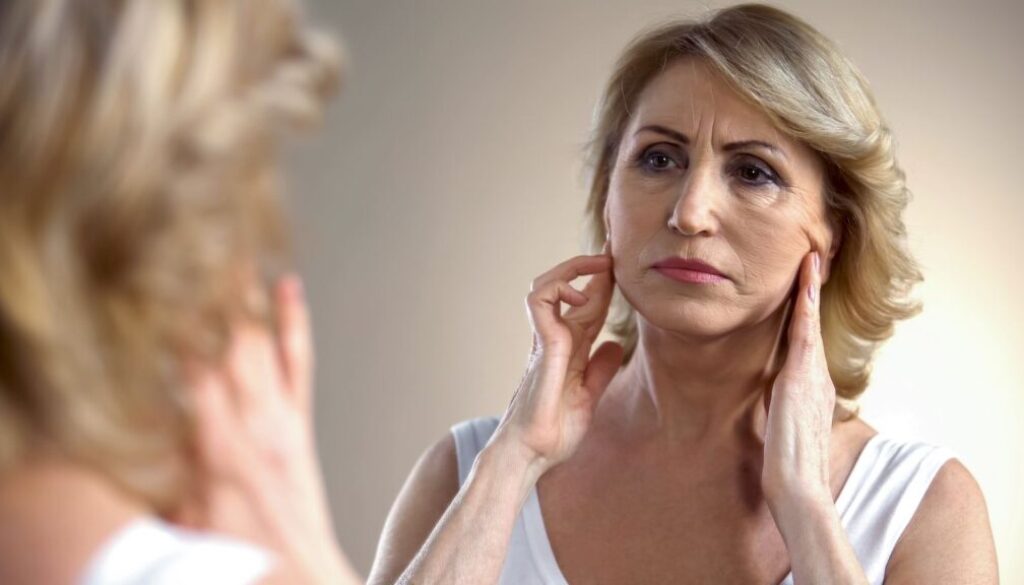
Why Is My Face Sagging? Causes, Menopause, Prevention & the Best Treatment Options
If you’ve looked in the mirror recently and noticed your jawline isn’t as defined, your cheeks seem lower than they once were, or the skin along your neck feels looser, you’re not alone. One of the most common questions we hear at Lébo Aesthetics & Spa is, “Why is my face sagging?”
Facial sagging is a natural part of the aging process. While fine lines and wrinkles often get the most attention, many people are actually more concerned about the gradual loss of firmness, facial definition, and skin elasticity that occurs over time.
The good news is that today’s aesthetic treatments offer more options than ever before. Whether you’re hoping to prevent collagen loss, improve mild skin laxity, or explore non-surgical skin tightening, understanding why facial sagging occurs is the first step toward choosing the right treatment.
In this guide, we’ll explain what causes facial sagging, how menopause affects the skin, ways to help preserve collagen, and the treatment options available – from medical-grade skin care to Sofwave® skin tightening.
What Causes Facial Sagging?
Facial sagging doesn’t happen because of one single factor. Instead, it’s the result of several changes occurring beneath the surface of the skin over many years.
Collagen and Elastin Loss
Collagen gives skin its strength and structure, while elastin allows it to stretch and bounce back into place.
Beginning in your mid-20s, collagen production naturally starts to decline. As the years pass, your body also produces less elastin, making skin thinner, less resilient, and more prone to sagging.
This gradual loss contributes to:
- Less defined facial contours
- Fine lines and wrinkles
- Loose skin around the jawline
- Neck laxity
- Reduced skin firmness
Changes in Facial Fat and Bone Structure
Aging affects much more than the skin itself.
Over time, the fat pads that provide youthful facial volume begin to shrink and shift downward. At the same time, subtle changes in the underlying facial bones reduce structural support.
These changes can make the cheeks appear flatter while allowing skin to settle lower on the face, contributing to jowls and a softer jawline.
Gravity
Gravity certainly plays a role, but it’s often misunderstood. Healthy, collagen-rich skin is better equipped to resist gravity. As collagen and elastin decline, the skin loses its ability to support itself, making the effects of gravity more noticeable over time.
Lifestyle Factors
Daily habits also influence how quickly skin ages. Some of the biggest contributors to premature collagen breakdown include:
- Excessive sun exposure
- Tanning beds
- Smoking or nicotine use
- Poor nutrition
- Chronic stress
- Inadequate sleep
- Significant weight fluctuations
- Environmental pollution
While none of these can completely stop the aging process, healthy lifestyle choices can help slow visible signs of aging.
How Menopause Affects Your Skin
For many women, menopause is one of the most significant turning points in skin aging.
As estrogen levels decline, collagen production decreases more rapidly. Since collagen is responsible for helping skin remain firm and resilient, many women notice visible changes in a relatively short period of time.
Accelerated Collagen Loss
Research has shown that women can lose a significant amount of collagen during the first several years after menopause.
This often leads to:
- Reduced skin firmness
- More noticeable wrinkles
- Skin laxity
- Less facial volume
- Reduced elasticity
Increased Dryness and Thinning
Hormonal changes also reduce the skin’s natural oil production. As a result, skin often becomes:
- Drier
- More sensitive
- Thinner
- Less supple
- More prone to fine lines
More Noticeable Jowls and Neck Laxity
Many women first notice facial aging during menopause because of:
- A softer jawline
- Loose skin beneath the chin
- Neck laxity
- Less definition around the lower face
It’s no surprise that many patients begin exploring skin-tightening treatments during this stage of life.
Signs of Facial Aging
Facial aging develops gradually, often progressing through several stages.
Early Changes
You may begin noticing:
- Fine lines around the eyes and mouth
- Slight loss of firmness
- Mild skin laxity
- A softer jawline
- Less skin elasticity
Moderate Changes
As collagen continues to decline, signs often include:
- Jowls
- Nasolabial folds (smile lines)
- Marionette lines
- Neck laxity
- Loss of cheek definition
- More noticeable wrinkles
Advanced Skin Laxity
More advanced aging may include:
- Significant loose skin
- Pronounced jowls
- Deep facial folds
- Loose neck skin
- More extensive collagen loss
Can You Prevent Facial Sagging?
Although aging cannot be stopped, there are many ways to support healthy skin and help slow collagen loss.
Wear Sunscreen Every Day
Daily broad-spectrum sunscreen remains one of the most effective ways to protect collagen from ultraviolet (UV) damage.
Even brief daily exposure contributes to cumulative skin aging over time.
Follow a Consistent Skin Care Routine
Medical-grade skin care can help improve skin health and support collagen preservation.
At Lébo Aesthetics & Spa, we often recommend personalized routines featuring ZO® Skin Health and our exclusive Lébo Premier collection, based on each patient’s skin type and goals.
Ingredients that can support healthier-looking skin include:
- Vitamin C
- Retinol
- Peptides
- Growth factors
- Antioxidants
- Hyaluronic acid
Practice Healthy Lifestyle Habits
Healthy skin begins with healthy habits.
Consider:
- Avoiding smoking
- Eating a balanced diet
- Staying hydrated
- Getting enough sleep
- Managing stress
- Maintaining a stable weight
One of the best ways to preserve collagen is to begin caring for your skin before significant sagging develops.
Treatment Options for Facial Sagging
Every patient’s skin is unique, and the best treatment depends on your age, skin quality, goals, and the degree of skin laxity.
Treatment | Best For | Benefits | Downtime |
Medical-Grade Skin Care | Early aging, prevention | Supports collagen, improves skin quality, protects against environmental damage | None |
Injectables | Volume loss and dynamic wrinkles | Restores facial volume and softens expression lines | Minimal |
Sofwave® Skin Tightening | Mild to moderate skin laxity | Stimulates natural collagen production for firmer, tighter-looking skin | Little to none |
Surgical Facelift | Advanced skin laxity | Most dramatic lifting and long-lasting structural improvement | Several weeks to months |
Medical-Grade Skin Care
A personalized skin care routine forms the foundation of healthy skin.
While skin care products won’t physically lift loose skin, they can improve hydration, support collagen, strengthen the skin barrier, and complement professional treatments.
Injectable Treatments
Injectables may be recommended to restore lost facial volume or relax facial muscles that contribute to dynamic wrinkles.
These treatments work differently than skin tightening but are often combined with collagen-stimulating procedures for comprehensive facial rejuvenation.
Sofwave® Skin Tightening
One of the most exciting advances in non-invasive aesthetics, Sofwave® uses synchronous ultrasound technology to stimulate new collagen production within the mid-dermis.
Unlike treatments that primarily target the skin’s surface, Sofwave works where collagen remodeling naturally occurs.
Benefits include:
- Non-invasive treatment
- No surgery
- Minimal downtime
- Natural-looking results
- Gradual collagen stimulation
- Improvement in the appearance of the jawline, neck, and brows
Many patients appreciate that they can return to their normal activities shortly after treatment.
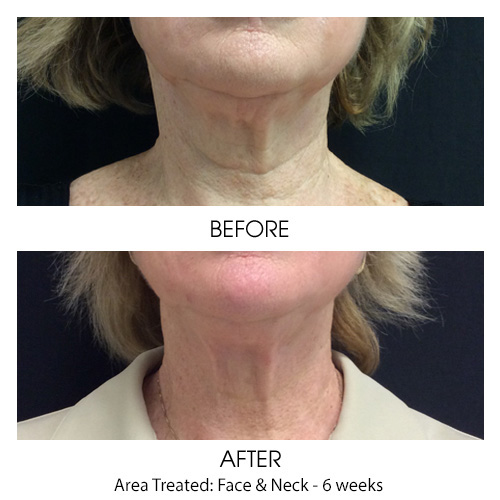
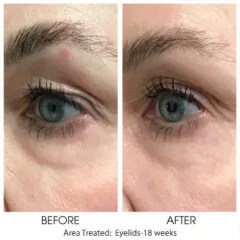
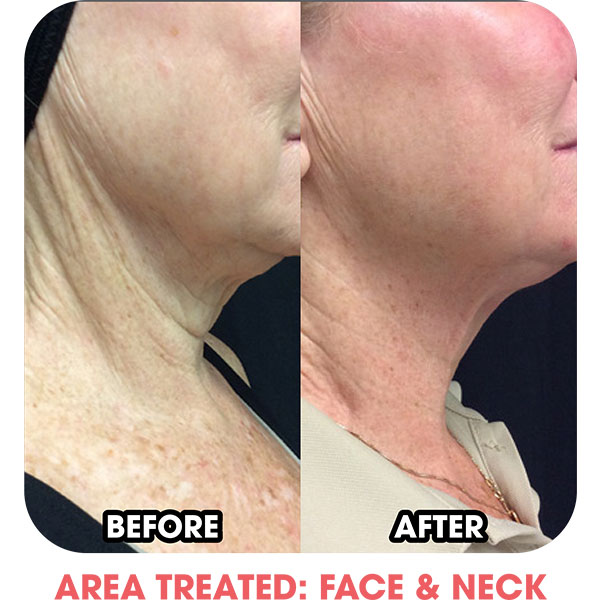
Sofwave® Before & After Pictures
Surgical Facelift
For patients with advanced skin laxity or significant excess skin, surgery may provide the most dramatic improvement.
However, many individuals with mild to moderate skin laxity can delay—or avoid—surgery by addressing collagen loss earlier with non-surgical treatments.
Choosing the Right Treatment
No two patients age exactly the same way.
When recommending treatment, we consider factors such as:
- Your age
- Skin quality
- Degree of skin laxity
- Overall health
- Lifestyle
- Desired downtime
- Long-term aesthetic goals
Sometimes the best approach involves a single treatment. Other times, combining medical-grade skin care with Sofwave®, injectables, or other aesthetic procedures provides the most natural-looking results.
Facial Sagging Is Natural— But You Have Options
Facial sagging is a normal part of aging, but it doesn’t mean you have to accept changes that leave you feeling less confident.
Whether your goal is prevention, maintaining healthy collagen, or improving existing skin laxity, there are more treatment options available today than ever before. From medical-grade skin care and healthy lifestyle habits to collagen-stimulating technologies like Sofwave®, the right treatment plan can help you achieve refreshed, natural-looking results without dramatically changing your appearance.
At Lébo Aesthetics & Spa, we believe every patient deserves a personalized approach. During your consultation, we’ll evaluate your skin, discuss your concerns, and recommend treatments tailored to your unique goals.
If you’ve started noticing loose skin, a softer jawline, or reduced facial firmness, we’re here to help. Contact Lébo Aesthetics & Spa today to schedule your free consultation and learn which treatment options are right for you.
Frequently Asked Questions About Facial Sagging
Why is my face suddenly sagging?
Facial sagging usually develops gradually due to collagen loss, hormonal changes, shifting facial fat, and the natural aging process. Many people simply notice these changes all at once when looking at recent photos or their reflection.
At what age does facial sagging begin?
Collagen production begins declining in your mid-20s, but visible skin laxity often becomes more noticeable during your late 30s, 40s, and 50s.
Does menopause cause loose skin?
Yes. Declining estrogen during menopause accelerates collagen loss, contributing to reduced firmness, increased wrinkles, and more noticeable skin laxity.
Can facial sagging be improved without surgery?
For many patients with mild to moderate skin laxity, yes. Treatments like Sofwave® stimulate your body’s natural collagen production and can improve skin firmness without surgery or lengthy recovery.
Does sunscreen help prevent sagging?
Absolutely. Daily sunscreen helps protect collagen from ultraviolet damage, making it one of the simplest and most effective anti-aging habits you can adopt.
Who is a good candidate for Sofwave®?
Sofwave is often ideal for healthy adults experiencing mild to moderate skin laxity who want firmer-looking skin without surgery or significant downtime.