






The Best Skin Care Routine by Age: What Your Skin Needs in Your 20s, 30s, 40s, 50s & Beyond
Your Skin Evolves; Your Routine Should Too
If you’ve ever wondered why the products that worked wonders in your twenties suddenly don’t seem as effective years later, you’re not imagining things.
Your skin is constantly changing. Hormones shift, collagen production slows, environmental damage accumulates, and your skin’s natural ability to repair itself gradually declines. While aging is inevitable, the way your skin ages is influenced by much more than genetics.
The good news? A thoughtful skin care routine can help protect your skin, slow visible signs of aging, and address concerns before they become more difficult to treat.
Rather than chasing the latest social media trend or filling your bathroom cabinet with dozens of products, it’s more effective to choose ingredients that support your skin’s needs during each stage of life.
At Lébo Aesthetics & Spa, we help patients build personalized skin care routines using medical-grade products, including the trusted ZO® Skin Health line and our exclusive Lébo Premier collection. Whether you’re hoping to prevent your first fine lines or improve skin firmness after menopause, understanding how your skin changes over time is the first step toward healthier, more radiant skin.
Skin Care Through the Decades: A Quick Guide
Age | Most Common Skin Concerns | Key Ingredients | Routine Focus |
|---|---|---|---|
20s | Acne, oily skin, sun damage, prevention | Vitamin C, SPF, gentle retinol | Protect and prevent |
30s | Fine lines, dullness, uneven tone | Retinol, antioxidants, exfoliants | Preserve collagen |
40s | Wrinkles, pigmentation, loss of firmness | Peptides, growth factors, hydrators | Correct visible aging |
50s & Beyond | Dryness, skin laxity, menopause-related changes | Growth factors, barrier repair, rich moisturizers | Restore and nourish |
While these age ranges provide a helpful guide, remember that everyone’s skin ages differently. Genetics, sun exposure, lifestyle, hormones, and skin care habits all play a role in how your skin looks and feels over time.
Why Does Your Skin Change as You Age?
Your skin is your body’s largest organ, and like the rest of your body, it changes over time. Several biological processes contribute to these visible changes.
Collagen Production Slows
Collagen is the structural protein responsible for keeping skin firm, smooth, and resilient. Beginning in your mid-20s, collagen production naturally starts to decline. As the years pass, this gradual loss contributes to fine lines, wrinkles, and skin laxity.
Elastin Breaks Down
If collagen gives your skin strength, elastin gives it flexibility. Elastin allows your skin to stretch and bounce back into place. As elastin fibers weaken with age, skin becomes less elastic and more prone to sagging.
Cell Turnover Becomes Slower
When you’re younger, your skin replaces old cells quickly, helping maintain a fresh, radiant complexion. Over time, this renewal process slows, causing dead skin cells to accumulate. The result is skin that may appear dull, rough, or uneven in tone.
Environmental Damage Adds Up
Ultraviolet (UV) exposure is one of the leading causes of premature skin aging. Even if you don’t notice sun damage today, years of unprotected exposure can contribute to wrinkles, discoloration, rough texture, and collagen breakdown later in life.
Other environmental factors, including pollution, cigarette smoke, and chronic stress, also accelerate visible aging by increasing oxidative stress within the skin.
Hormonal Changes Affect Skin Health
Hormones influence everything from oil production to collagen synthesis. For women especially, pregnancy, perimenopause, and menopause can dramatically affect skin texture, hydration, and elasticity.
Prevention vs. Correction: Why Starting Early Matters
One of the biggest misconceptions in skin care is that anti-aging products should only be used once wrinkles appear.
In reality, prevention is almost always easier than correction.
Daily sunscreen, antioxidants, and collagen-supporting ingredients help preserve healthy skin long before visible aging develops. Waiting until deep wrinkles or significant skin laxity appear often means more intensive treatments may be needed to achieve noticeable improvement.
Think of your skin care routine like brushing your teeth. You don’t wait until you have a cavity to brush. You build healthy habits that help prevent problems before they occur.
The same principle applies to your skin.
Your 20s: Build Healthy Habits That Last a Lifetime
Your twenties are often considered the “golden years” of skin health.
Collagen production remains high, skin typically heals quickly, and elasticity is at its strongest. While you may not be thinking much about wrinkles yet, the habits you establish now will have a lasting impact on how your skin ages over the coming decades.
Common Skin Concerns in Your 20s
Many people in their twenties are more focused on breakouts than wrinkles.
Some of the most common concerns include:
- Acne and occasional blemishes
- Oily or combination skin
- Enlarged pores
- Sun exposure from outdoor activities
- The first subtle expression lines around the eyes or forehead
While these concerns may seem unrelated to aging, they present a perfect opportunity to establish a consistent skin care routine focused on protection and prevention.
Your Skin Care Priorities
Instead of using aggressive products that strip the skin, focus on maintaining a healthy skin barrier while protecting against environmental damage.
A well-balanced routine typically includes:
- A gentle cleanser
- Vitamin C serum
- Lightweight moisturizer
- Broad-spectrum sunscreen every day
- Retinol, if recommended by your skin care professional
Ingredient Spotlight: Vitamin C
Vitamin C is one of the most beneficial ingredients to introduce during your twenties.
As a powerful antioxidant, it helps neutralize free radicals caused by UV exposure and pollution while supporting collagen production and brightening the complexion. Used consistently, Vitamin C can help reduce the appearance of uneven skin tone and protect against premature aging.
Product Recommendations for Your 20s
Patients beginning their skin care journey often benefit from a streamlined routine featuring medical-grade products that prioritize prevention.
Some favorites available through Lébo Aesthetics & Spa include:
- ZO Gentle Cleanser to remove impurities while maintaining the skin’s natural moisture barrier.
- ZO 10% Vitamin C Self-Activating to defend against environmental damage and promote a brighter, healthier-looking complexion.
- ZO Sunscreen + Primer SPF 30 or Lébo Moisturizing Antioxidant Sunscreen SPF 50+, because daily sun protection remains the single most effective anti-aging product you can use.
Professional Tip: If you’re only going to invest in one anti-aging product during your twenties, make it sunscreen. Daily SPF is one of the simplest and most effective ways to protect collagen and reduce the risk of premature aging caused by ultraviolet exposure.
Your 30s: It’s Time to Protect Your Collagen
If your twenties are all about prevention, your thirties are about preservation.
This is often the decade when people begin noticing subtle but meaningful changes in their skin. You may wake up and realize that a fine line around your eyes isn’t disappearing as quickly as it used to, or your complexion looks a little dull despite getting enough sleep.
These changes are completely normal.
Beginning in your late twenties and early thirties, your body naturally produces less collagen each year. Cell turnover slows, making it more difficult for your skin to repair itself, while years of cumulative sun exposure may begin revealing themselves through uneven pigmentation and texture.
The good news is that your thirties are an excellent time to take a proactive approach. Introducing targeted ingredients now can help support collagen production and keep skin looking healthy for years to come.
Common Skin Concerns in Your 30s
During this decade, you may notice:
- Fine lines around the eyes and mouth
- Uneven skin tone
- Dullness
- Mild discoloration from previous sun exposure
- Larger-looking pores
- Slight loss of skin firmness
- Slower recovery after blemishes
These concerns don’t necessarily require a complete overhaul of your skin care routine, but they do call for more targeted ingredients.
Your Skin Care Priorities
In your thirties, your routine should focus on protecting collagen while improving skin texture and brightness. Look for products containing:
- Vitamin C
- Retinol
- Antioxidants
- Gentle chemical exfoliants
- Eye treatments
- Daily SPF
Ingredient Spotlight: Retinol
Retinol remains one of the most researched ingredients in skin care—and for good reason.
Derived from Vitamin A, retinol encourages healthy cell turnover, helps soften the appearance of fine lines, improves skin texture, and supports collagen production over time. While results aren’t immediate, consistent use can make a significant difference in the overall appearance of your skin.
Because retinol can be irritating when first introduced, it’s often best to begin slowly and work with a skin care professional to determine the right strength and frequency for your skin.
Product Recommendations for Your 30s
As collagen production slows, medical-grade products can help support healthier skin and address the earliest visible signs of aging.
Some excellent options include:
- ZO Daily Power Defense to help strengthen the skin barrier while defending against environmental damage.
- ZO Complexion Renewal Pads for gentle exfoliation and improved skin texture.
- Lébo Retinol Antioxidant Boosting Serum 10X for patients ready to incorporate retinol into their anti-aging routine.
- Continue using a daily Vitamin C serum and broad-spectrum sunscreen every morning.
Professional Tip: The products you use consistently matter far more than the number of products you own. A simple, well-designed routine used every day will almost always outperform an overly complicated regimen.
Your 40s: Correct Visible Signs of Aging
For many people, their forties represent a turning point in skin health.
While collagen loss has been occurring gradually for years, the visible effects become more noticeable during this decade. Fine lines may deepen into wrinkles, the jawline may appear softer, and pigmentation from years of sun exposure often becomes more apparent.
You may also notice your skin feels drier than it once did, even if you’ve always had oily skin.
Fortunately, there are more treatment options than ever before to address these changes, both at home and in the treatment room.
Common Skin Concerns in Your 40s
- Wrinkles
- Loss of skin firmness
- Hyperpigmentation
- Uneven skin tone
- Dryness
- Early jowls
- Less facial definition
Your Skin Care Priorities
This is the decade to focus on both correction and protection. Look for ingredients that help support collagen while addressing visible concerns such as discoloration and loss of elasticity.
Your routine may include:
- Growth factors
- Peptides
- Advanced retinol
- Brightening ingredients
- Hydrating moisturizers
- Neck-specific products
- Daily sunscreen
Ingredient Spotlight: Growth Factors
Growth factors are naturally occurring proteins that help support the skin’s renewal process.
When incorporated into a skin care routine, they can help improve the appearance of fine lines, skin texture, and overall firmness, making them a valuable addition for patients beginning to notice more significant signs of aging.
Product Recommendations for Your 40s
Patients often benefit from products such as:
- ZO Growth Factor Serum to improve the appearance of firmness and skin quality.
- ZO Brightalive® Skin Brightener to target discoloration and uneven tone.
- ZO Daily Power Defense as an antioxidant-rich daily staple.
- Lébo Neck Tightening Cream to address one of the first areas where aging often becomes noticeable.
Professional Tip: Don’t stop your skin care routine at your jawline. The neck and chest are frequently exposed to the same environmental damage as the face and deserve the same level of care.
Your 50s & Beyond: Nourish, Restore, and Support Mature Skin
As we age, our skin continues to evolve.
For women especially, menopause often marks one of the most significant periods of change. Hormonal shifts affect nearly every aspect of skin health, from hydration and elasticity to collagen production and healing.
These changes can feel sudden, but they’re a normal part of the aging process.
The goal isn’t to stop aging—it’s to help your skin remain healthy, comfortable, and resilient throughout every stage of life.
Common Skin Concerns in Your 50s and Beyond
- Increased dryness
- Loss of elasticity
- Skin laxity
- Fine lines and deeper wrinkles
- Age spots
- Crepey skin
- Thinner, more delicate skin
Menopause and Your Skin
Many women are surprised by how dramatically menopause affects their complexion.
As estrogen levels decline, collagen production decreases more rapidly than at any other point in adulthood. Research has shown that women can lose a significant amount of collagen during the first several years after menopause, contributing to noticeable changes in firmness and elasticity.
You may also notice:
- Increased dryness
- More sensitive skin
- Slower wound healing
- A less defined jawline
- Loose skin around the neck
- More prominent wrinkles
These changes are common, and they often require adjustments to both your skin care routine and any in-office treatments you may be considering.
Your Skin Care Priorities
Mature skin benefits from products that emphasize hydration, barrier repair, and collagen support.
Look for:
- Growth factors
- Rich moisturizers
- Barrier-repair ingredients
- Retinol (if well tolerated)
- Brightening products
- Daily sunscreen
Product Recommendations for Mature Skin
Patients experiencing menopause-related skin changes often benefit from:
- Lébo Collagen Boosting Hydrator Plus to replenish moisture and support healthy-looking skin.
- Lébo Neck Tightening Cream to improve hydration and the appearance of the neck.
- ZO Growth Factor Serum for ongoing collagen support.
- A daily sunscreen to protect the skin from additional UV damage.
Professional Tip: Hydrated skin looks healthier, smoother, and more radiant—but hydration alone won’t rebuild collagen. The most effective routines combine moisturizers with ingredients that actively support the skin’s natural renewal processes.
Skin Care Doesn’t End with Products
Even the best skin care routine has its limits.
Medical-grade skin care provides an excellent foundation, but many patients choose to pair their at-home regimen with professional treatments to address concerns such as skin laxity, uneven texture, pigmentation, or collagen loss.
Depending on your goals, complementary treatments may include:
- Sofwave® skin tightening
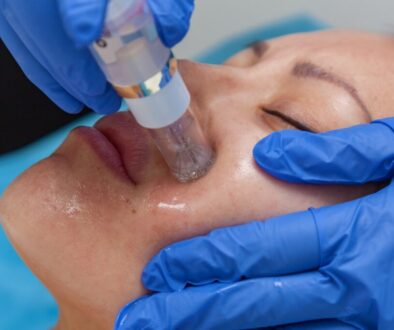
- Microneedling
- Chemical peels
- Laser skin rejuvenation
- Injectable treatments
When combined with a personalized skin care routine, these treatments can help patients achieve more comprehensive, longer-lasting results.
The Essential Skin Care Ingredients Everyone Should Know
Walk down the skin care aisle or browse social media, and you’ll quickly be overwhelmed by ingredient names and bold marketing claims. While trendy products come and go, a handful of clinically studied ingredients have consistently proven their value in helping maintain healthier, more youthful-looking skin.
Understanding what these ingredients do and when to incorporate them into your routine can help you make informed decisions rather than chasing every new skin care trend.
Vitamin C: Your Daily Defense Against Environmental Damage
If sunscreen is your skin’s first line of defense, Vitamin C is an important second layer of protection.
Vitamin C is a powerful antioxidant that helps neutralize free radicals caused by ultraviolet (UV) rays, pollution, and other environmental stressors. It also plays an important role in supporting collagen production while helping improve the appearance of uneven skin tone and dark spots.
Best For:
- Dull skin
- Uneven tone
- Sun damage
- Early signs of aging
- Prevention
Featured Product
ZO® 10% Vitamin C Self-Activating delivers antioxidant protection while helping brighten the complexion and support healthier-looking skin.
Retinol: The Gold Standard for Healthy Skin Renewal
Few skin care ingredients have been studied as extensively as retinol.
Derived from Vitamin A, retinol encourages skin cell turnover, helping reveal fresher, smoother skin while softening the appearance of fine lines and improving overall texture.
While retinol isn’t an overnight solution, consistent use often produces noticeable improvements over time.
If you’re new to retinol, begin gradually and follow the recommendations of your skin care professional to minimize irritation.
Best For:
- Fine lines
- Wrinkles
- Acne
- Uneven texture
- Sun damage
Featured Product
Lébo Retinol Antioxidant Boosting Serum 10X provides a powerful option for patients looking to elevate their anti-aging routine while supporting healthier-looking skin.
Hyaluronic Acid: Hydration That Works Smarter
Despite its name, hyaluronic acid isn’t an exfoliating acid.
It’s actually a moisture-binding ingredient that attracts and holds significant amounts of water within the skin.
Proper hydration helps skin appear smoother, softer, and more plump while reducing the appearance of fine dehydration lines.
Best For:
- Dry skin
- Dehydration
- Mature skin
- Seasonal dryness
Peptides: Support for Firmer-Looking Skin
Peptides are short chains of amino acids that help support the skin’s natural repair processes.
Although they don’t replace collagen directly, peptides encourage healthier-looking skin and can improve the appearance of firmness when incorporated into a consistent skin care routine.
Best For:
- Loss of firmness
- Fine lines
- Mature skin
Growth Factors: Advanced Support for Aging Skin
Growth factors are naturally occurring proteins involved in skin renewal and repair.
In medical-grade skin care, growth factor formulations help improve the appearance of skin texture, firmness, and overall quality, making them an excellent addition for patients experiencing visible signs of aging.
Best For:
- Wrinkles
- Skin laxity
- Loss of firmness
- Mature skin
Featured Product
ZO Growth Factor Serum is designed to support healthier-looking skin while helping improve the appearance of expression lines and skin texture.
Antioxidants: Everyday Protection
Every day, your skin is exposed to environmental stressors that contribute to premature aging.
Antioxidants help defend against this damage by neutralizing unstable molecules known as free radicals before they can harm healthy skin cells.
Many medical-grade products combine multiple antioxidants to provide comprehensive protection throughout the day.
Gentle Exfoliants: Reveal Brighter Skin
Exfoliation removes dead skin cells that naturally accumulate on the surface of the skin.
Done correctly, regular exfoliation can:
- Improve texture
- Brighten dull skin
- Enhance product absorption
- Support healthy skin renewal
However, more isn’t always better.
Over-exfoliating can damage the skin barrier, leading to irritation, redness, and increased sensitivity. Most people achieve excellent results by exfoliating just a few times per week using products appropriate for their skin type.
Featured Product
ZO Complexion Renewal Pads provide gentle exfoliation while helping improve skin texture and overall radiance.
Sunscreen: The One Product Everyone Needs
If there is one skin care product dermatologists, plastic surgeons, and aestheticians consistently agree on, it’s sunscreen.
Daily sun protection helps prevent:
- Wrinkles
- Sunspots
- Uneven pigmentation
- Loss of collagen
- Premature aging
- Skin cancer
Even if you spend most of your day indoors, ultraviolet rays can penetrate windows and contribute to cumulative sun damage.
For that reason, sunscreen should be the final step in every morning skin care routine, regardless of your age or skin type.
Featured Products
Patients at Lébo often choose:
Both provide daily protection while complementing a comprehensive anti-aging skin care routine.
Medical-Grade Skin Care vs. Over-the-Counter Products
One of the most common questions we hear is: “Is medical-grade skin care really worth it?”
While drugstore products certainly have their place, medical-grade skin care offers several advantages that can make a meaningful difference, particularly for individuals with specific skin concerns or long-term anti-aging goals.
Higher-Quality Ingredients
Medical-grade products are formulated with ingredients that have been extensively researched and selected for their effectiveness. Rather than relying primarily on marketing claims, these formulations are designed to support measurable improvements in skin health.
Greater Ingredient Concentrations
Many medical-grade products contain active ingredients at concentrations not typically found in over-the-counter options. These levels are carefully balanced to maximize benefits while maintaining skin compatibility when used appropriately.
Professional Guidance
Perhaps the greatest advantage isn’t the product itself; it’s the expertise behind the recommendation.
Instead of guessing which serum, moisturizer, or cleanser is right for your skin, you’ll receive personalized guidance based on your skin type, concerns, goals, and lifestyle.
At Lébo Aesthetics & Spa, our skin care experts take the time to evaluate each patient’s skin before recommending products, helping you avoid the frustration and expense of trial-and-error skin care.
Building a Morning & Evening Routine
A successful skin care routine doesn’t have to include ten different products. In fact, consistency is often far more important than complexity.
Morning Routine
Your morning routine should focus on protection.
A typical regimen may include:
- Gentle cleanser
- Vitamin C serum
- Antioxidant treatment
- Moisturizer
- Broad-spectrum sunscreen
This combination helps prepare your skin for daily exposure to sunlight, pollution, and environmental stress.
Evening Routine
Nighttime is when your skin naturally begins repairing itself.
Your evening routine should support this process.
A typical regimen may include:
- Gentle cleanser
- Retinol or treatment serum
- Growth factor or peptide serum
- Moisturizer
- Neck treatment, if desired
Using targeted ingredients overnight allows your skin to focus on renewal while you sleep.
Quick Guide: Which Ingredients Are Right for You?
Skin Concern | Recommended Ingredients | Examples Available at Lébo |
|---|---|---|
Fine Lines | Retinol, Peptides, Growth Factors | ZO Growth Factor Serum, Lébo Retinol Antioxidant Boosting Serum 10X |
Dry Skin | Hyaluronic Acid, Rich Moisturizers | Lébo Collagen Boosting Hydrator Plus |
Uneven Tone | Vitamin C, Brighteners | ZO 10% Vitamin C Self-Activating, ZO Brightalive® |
Acne | Gentle Cleanser, Retinol, Exfoliants | ZO Gentle Cleanser, ZO Complexion Renewal Pads |
Skin Laxity | Growth Factors, Peptides | ZO Growth Factor Serum, Neck Tightening Cream |
Daily Protection | Antioxidants, SPF | Daily Power Defense, ZO Sunscreen + Primer SPF 30, Lébo Moisturizing Antioxidant Sunscreen SPF 50+ |
Professional Skin Care Is Personal
One of the biggest misconceptions in skin care is that everyone needs the same products.
The reality is that two people of the same age may require completely different routines based on factors such as:
- Skin type
- Genetics
- Hormonal changes
- Sun exposure
- Lifestyle
- Medical history
- Previous skin care treatments
That’s why a personalized consultation can be so valuable. Instead of building a routine based on trends or online recommendations, you’ll receive expert guidance tailored to your skin’s unique needs.
Whether you’re focused on preventing early signs of aging, improving skin tone, or addressing more advanced concerns like dryness or loss of firmness, the right combination of products can help you achieve healthier, more confident skin over time.
Healthy Skin Is a Lifelong Investment
There isn’t a single “perfect” skin care routine that works for everyone.
The best routine is one that evolves with you.
Your twenties are the time to build healthy habits and protect your skin from future damage. In your thirties, the focus shifts to preserving collagen and maintaining brightness. During your forties, targeted ingredients can help address visible signs of aging, while your fifties and beyond often require additional hydration, barrier support, and collagen-focused care.
Regardless of your age, consistency is the key to long-term success. A thoughtfully selected routine, combined with healthy lifestyle habits and professional guidance, can help your skin look and feel its best for years to come.
At Lébo Aesthetics & Spa, our experienced team is here to help you navigate every stage of your skin care journey. Whether you’re building your first routine or looking to refine an existing one, we’ll recommend products and treatments based on your skin—not just your age. Ready to get started? Schedule your free consultation today.
Frequently Asked Questions
At what age should I start using anti-aging skin care?
It’s never too early to take care of your skin. Prevention often begins in your 20s with a consistent routine that includes daily sunscreen, antioxidants like Vitamin C, and a quality moisturizer. Many people begin incorporating retinol in their late 20s or early 30s, depending on their skin type and concerns.
Do I really need to wear sunscreen every day?
Yes. Daily sunscreen is one of the most important steps in any skin care routine. Ultraviolet (UV) rays can penetrate clouds and even windows, contributing to premature aging, dark spots, collagen breakdown, and an increased risk of skin cancer. Applying a broad-spectrum SPF every morning helps protect your skin year-round.
What is the difference between medical-grade skin care and over-the-counter products?
Medical-grade skin care is formulated with higher-quality ingredients and clinically researched concentrations designed to target specific skin concerns. These products are typically recommended by licensed skin care professionals and are selected based on your unique skin type and goals.
When should I start using retinol?
Many people benefit from introducing retinol in their late 20s or early 30s, especially if they are concerned about acne, fine lines, or uneven skin texture. If you’re new to retinol, start gradually and consult a skin care professional to determine the right product and routine for your skin.
Why does my skin become drier as I get older?
As we age, our skin naturally produces less oil and loses moisture more easily. Hormonal changes, particularly during menopause, can further reduce hydration and elasticity. Using richer moisturizers, barrier-supporting ingredients, and hydrating serums can help restore comfort and improve the skin’s appearance.
Why does menopause affect my skin so much?
During menopause, estrogen levels decline, leading to accelerated collagen loss, thinner skin, reduced elasticity, and increased dryness. Many women notice more visible wrinkles, skin laxity, and a loss of firmness during this stage of life. A combination of medical-grade skin care and professional treatments can help address these concerns.
Can skin care really improve wrinkles?
A consistent skin care routine can significantly improve the appearance of fine lines, skin texture, hydration, and overall skin health. While topical products cannot replicate the results of surgery, ingredients such as retinol, growth factors, peptides, and antioxidants can visibly improve aging skin over time.
What ingredients should everyone have in their skin care routine?
While every routine should be personalized, most people benefit from these foundational ingredients:
- Gentle cleanser
- Vitamin C
- Moisturizer
- Broad-spectrum sunscreen
- Retinol (if appropriate)
- Antioxidants
As skin matures, additional ingredients such as peptides, growth factors, and barrier-repair products can provide added support.
How do I know which products are right for me?
Your age is only one part of the equation. Skin type, lifestyle, hormones, medical history, and specific concerns all influence which products will work best. A professional consultation can help create a routine tailored to your individual needs instead of relying on trial and error.
Are professional treatments still necessary if I use good skin products?
Medical-grade skin care provides an excellent foundation, but professional treatments can often enhance your results. Depending on your goals, treatments such as Sofwave®, microneedling, chemical peels, laser skin rejuvenation, or injectables may complement your at-home routine by addressing concerns that topical products alone cannot fully correct.